Loading


Who we are.
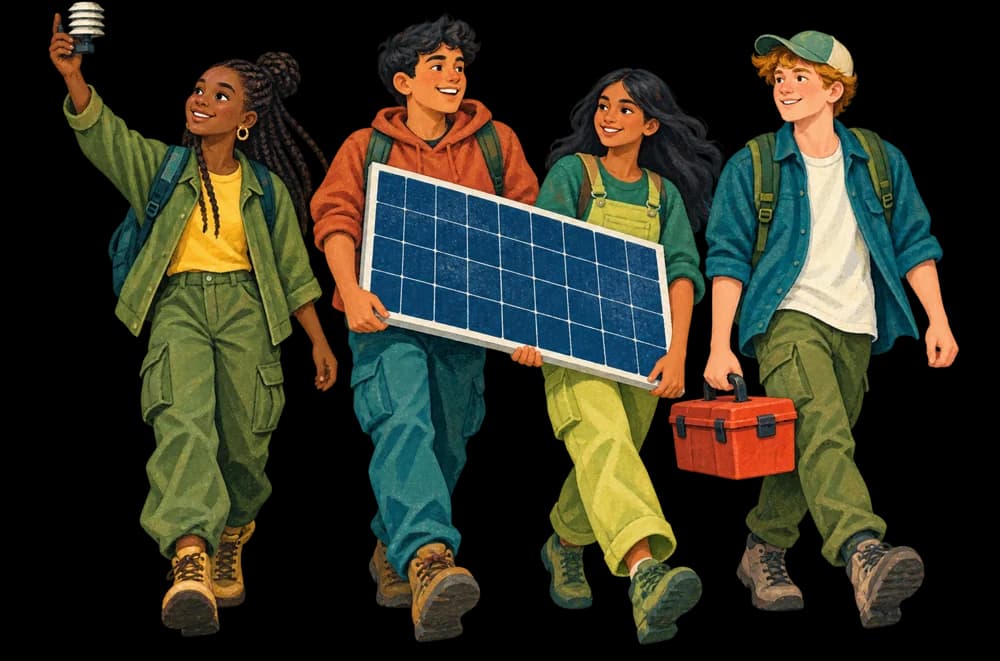
A nonprofit run by high school students in the Bay Area. We teach STEM and sustainability to students our age, from California classrooms to a computer lab in Lagos, and help the ones who want to go further build a project of their own.

Our mission
Green Silicon Valley teaches young people to use STEM to work on an environmental problem in their own community.
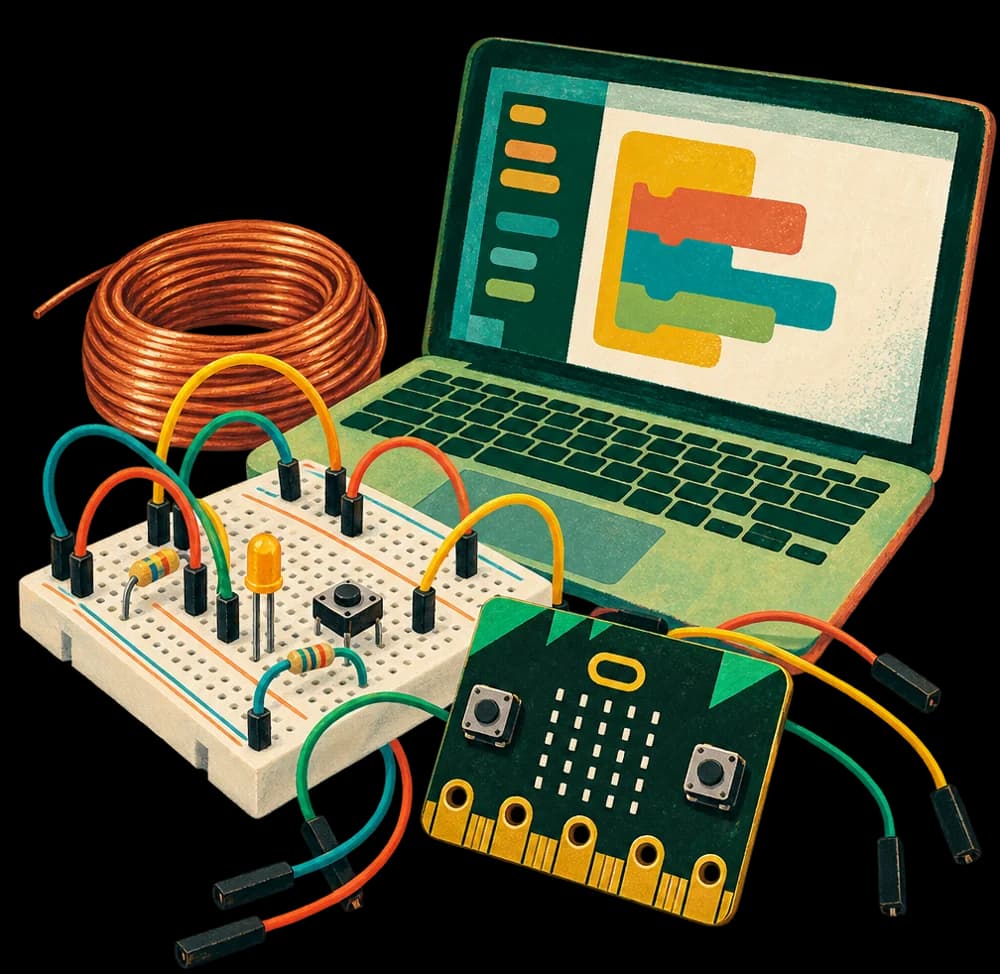
What we teach
Circuits, code and sensors, taught by students a few years older than the class.

Where projects start
Each project starts from a problem students can see on their own street, whether that is the air, water, heat or waste.
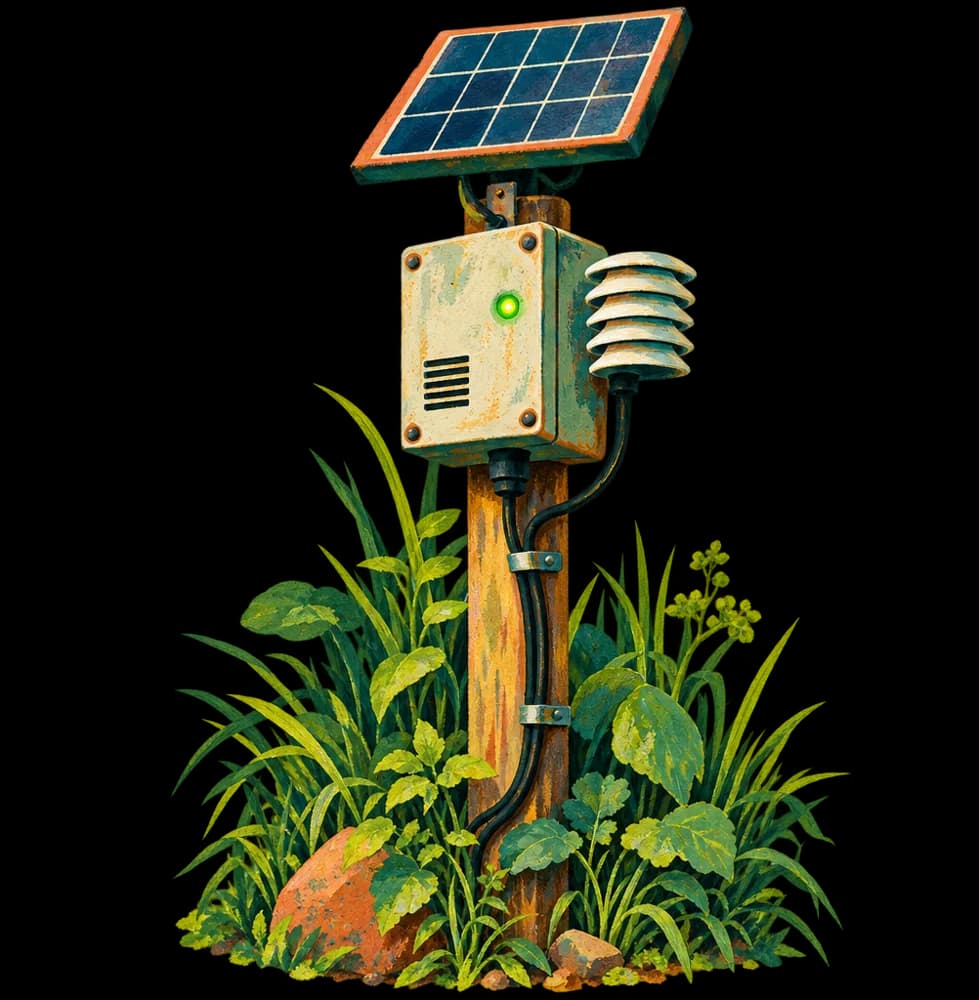
Where they end up
Students who go all the way finish with a device that runs outside the classroom and has data to show for it.
How it started.
Green Silicon Valley began in 2024 with a group of high school students in Santa Clara: Siddharth Pokuri, Sahil Agarwal, Abhi Tenneti, Dev Shah and Charan Meesala. The idea was that students a few years older would teach younger ones to build something useful, and that the projects would be about the place they actually live.
Our first real funding was a $5,000 grant from Silicon Valley Power. Marin Clean Energy and Ava Community Energy came next, and in 2026 we ran our first pitch competition in Alameda and Marin. That July we started our first international cohort, in Mushin, Lagos, with Dr. Nkechi (Bridgit) Uzoegwu and the YETI Youth Empowerment Foundation.
We've given presentations at 27 schools in 13 countries, to 780 students and 31 teachers. We did all of it with $15K and a team of 22 volunteers.
The people behind it.
A team of 22 student volunteers, most of us still in high school. Nobody is paid.
Ayush Garg
CEO and Founder
Adrian Wilcox High School, Santa Clara
Idan Kestenbom
CEO / COO
Abhi Tenneti
International Partnerships and Co-Founder
Adrian Wilcox High School, Santa Clara
Original founders
Siddharth Pokuri, Sahil Agarwal, Abhi Tenneti, Dev Shah, Charan Meesala
The rest of the team teaches the workshops, mentors the builds and keeps the books. Join them

The first cohort in Lagos.
In July 2026 we started a coding and digital-skills course in Mushin, a crowded part of Lagos, with the YETI Youth Empowerment Foundation. Most students had a phone and no computer, so classes ran in person, in a computer center, twice a day.
Our partner, Dr. Nkechi (Bridgit) Uzoegwu, is a Bay Area middle-school teacher who runs a youth foundation in Lagos. Her team recruited the students and ran the room. We built the course, made the lessons and met the class online.
- First class
- 6 July 2026
- Where
- Mushin, Lagos, Nigeria
- Format
- In person, mornings and afternoons, with recorded lessons for self-study
- Finished so far
- At least 17 students, by our partner's October count
The first graduates
Seventeen of the students who finished, photographed in Mushin on 27 October 2026, alongside some of the projects they made during the course.



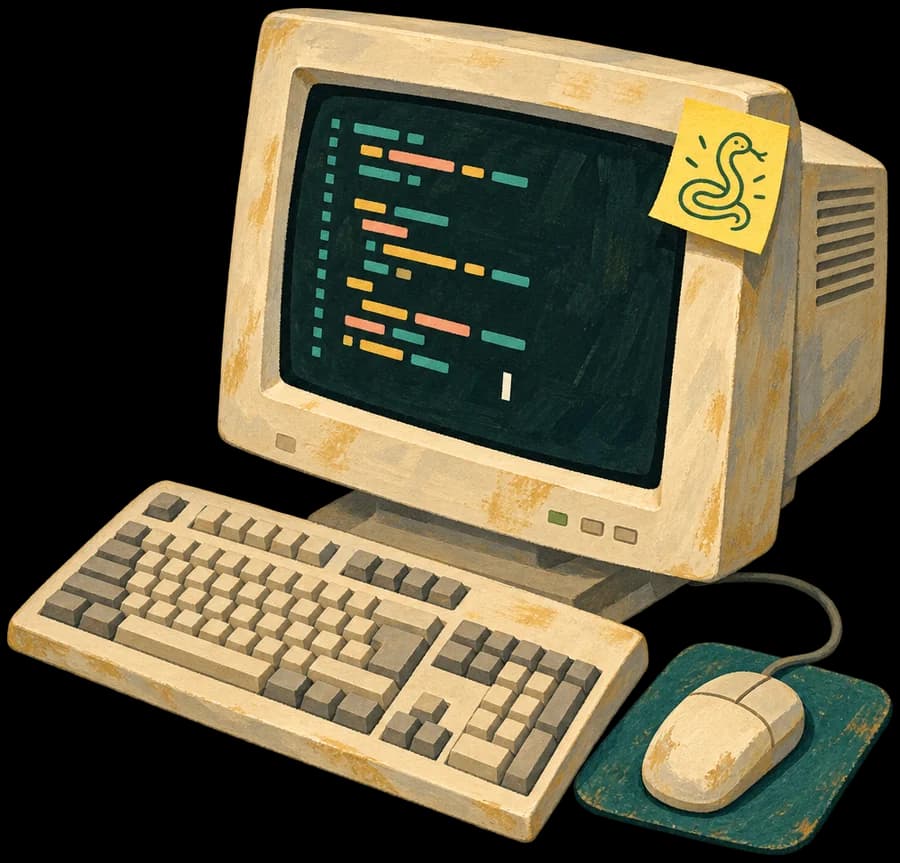
Their first lines of Python, written on a shared computer in the center.




A small Python program that does real arithmetic for whoever types in a bill.



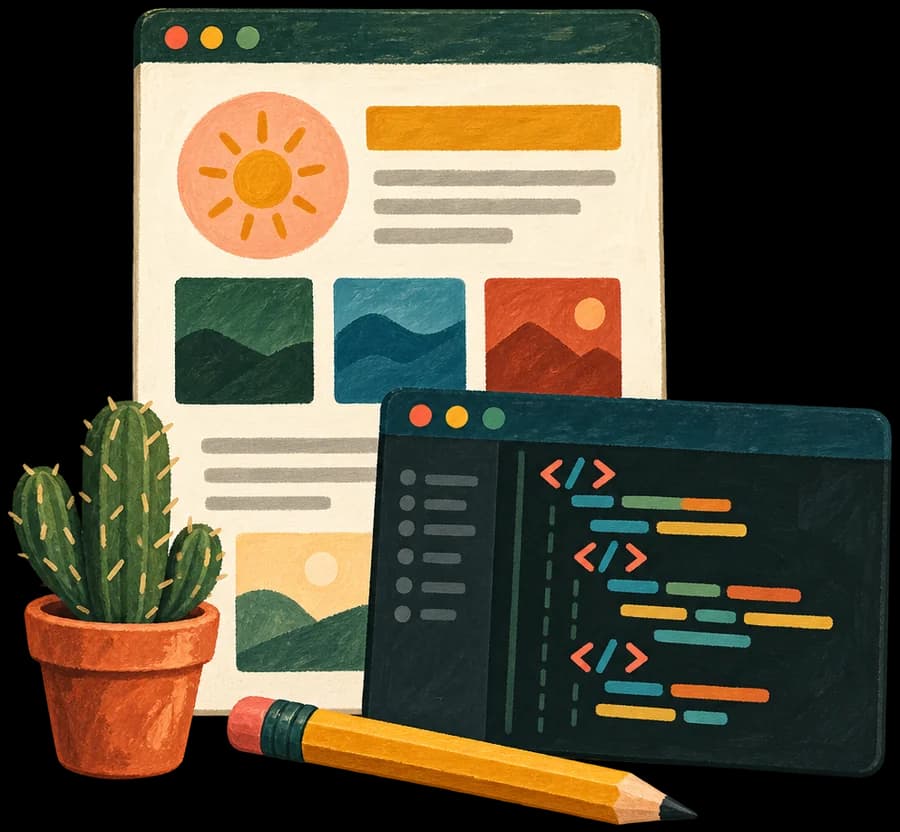
A page about themselves, written by hand in HTML.



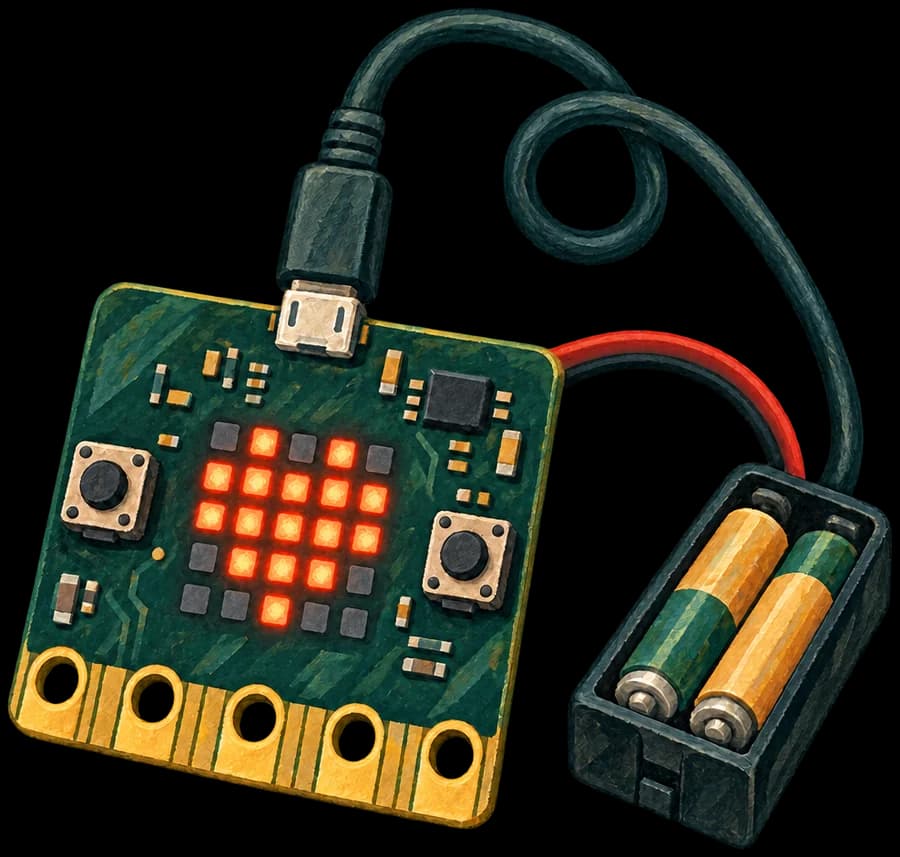
Code that lights up the board's 25 LEDs, before they touch any other hardware.



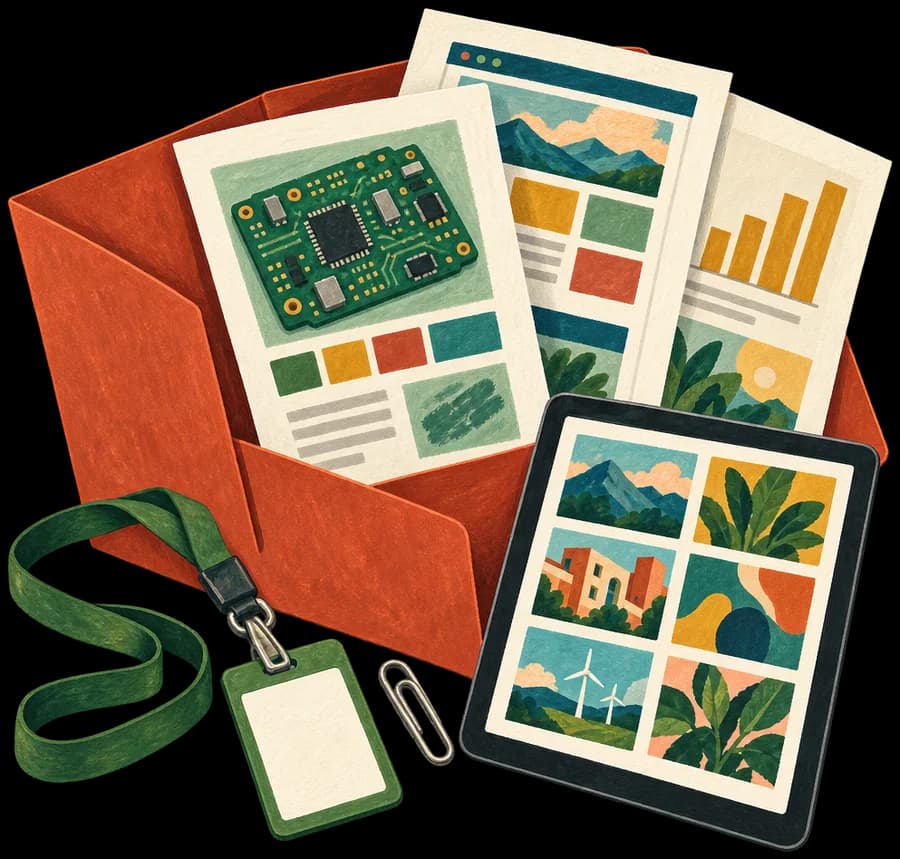
Everything they built in the course, collected in one place to show an employer.


Their first lines of Python, written on a shared computer in the center.
A small Python program that does real arithmetic for whoever types in a bill.
A page about themselves, written by hand in HTML.
Code that lights up the board's 25 LEDs, before they touch any other hardware.
Everything they built in the course, collected in one place to show an employer.
What students build.
These are the kinds of projects the course leads to. Each one starts with something a student noticed near home and wanted to measure or fix.
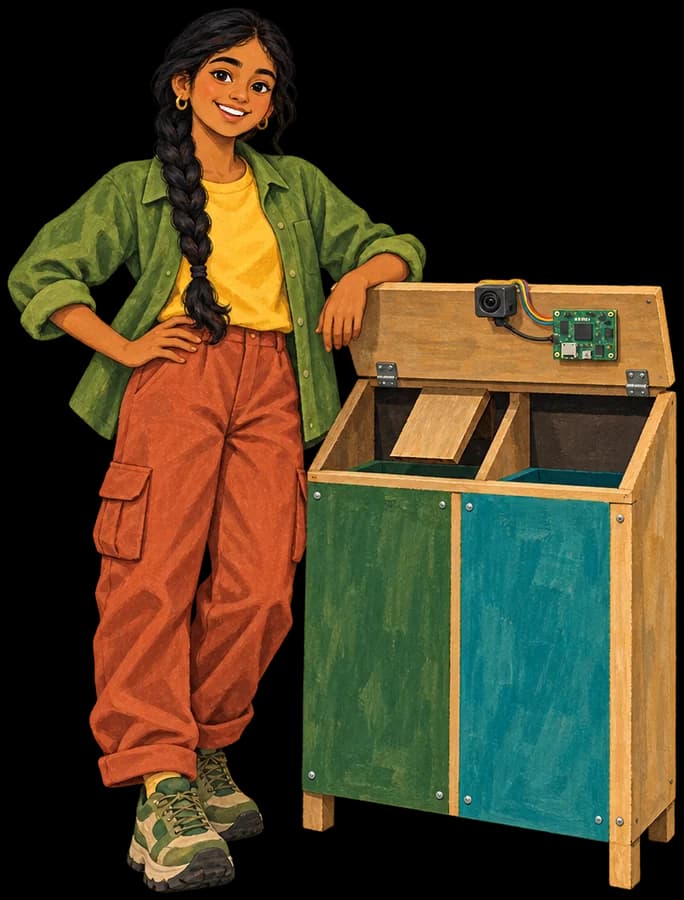
A bin that sorts itself
A small camera and a Raspberry Pi tell plastic from paper, and a flap drops each into the right side.
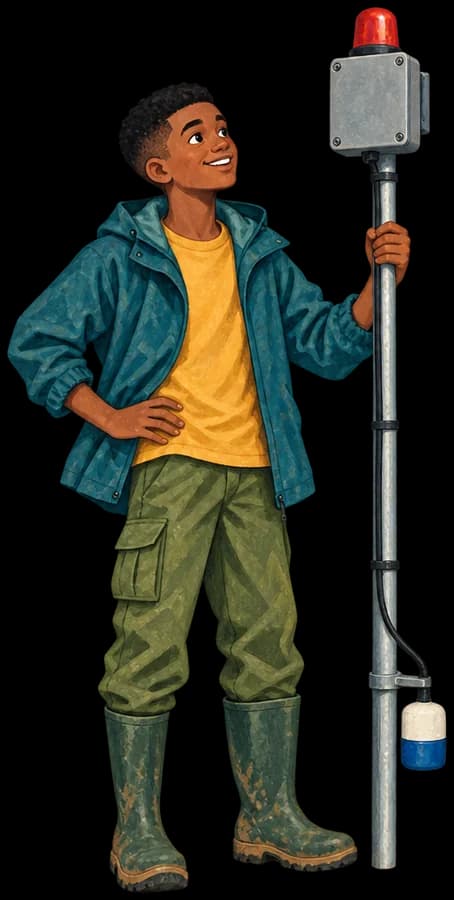
A flood alarm for one street
A water-level sensor in the drain lights a warning before the road floods, so families can move cars and stock in time.
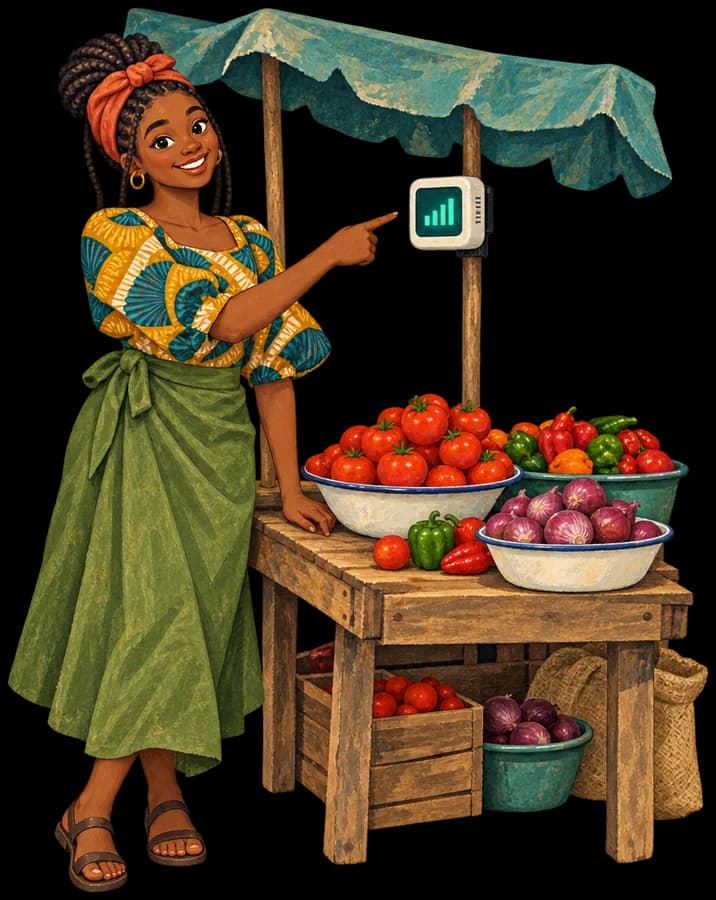
Air readings for a market
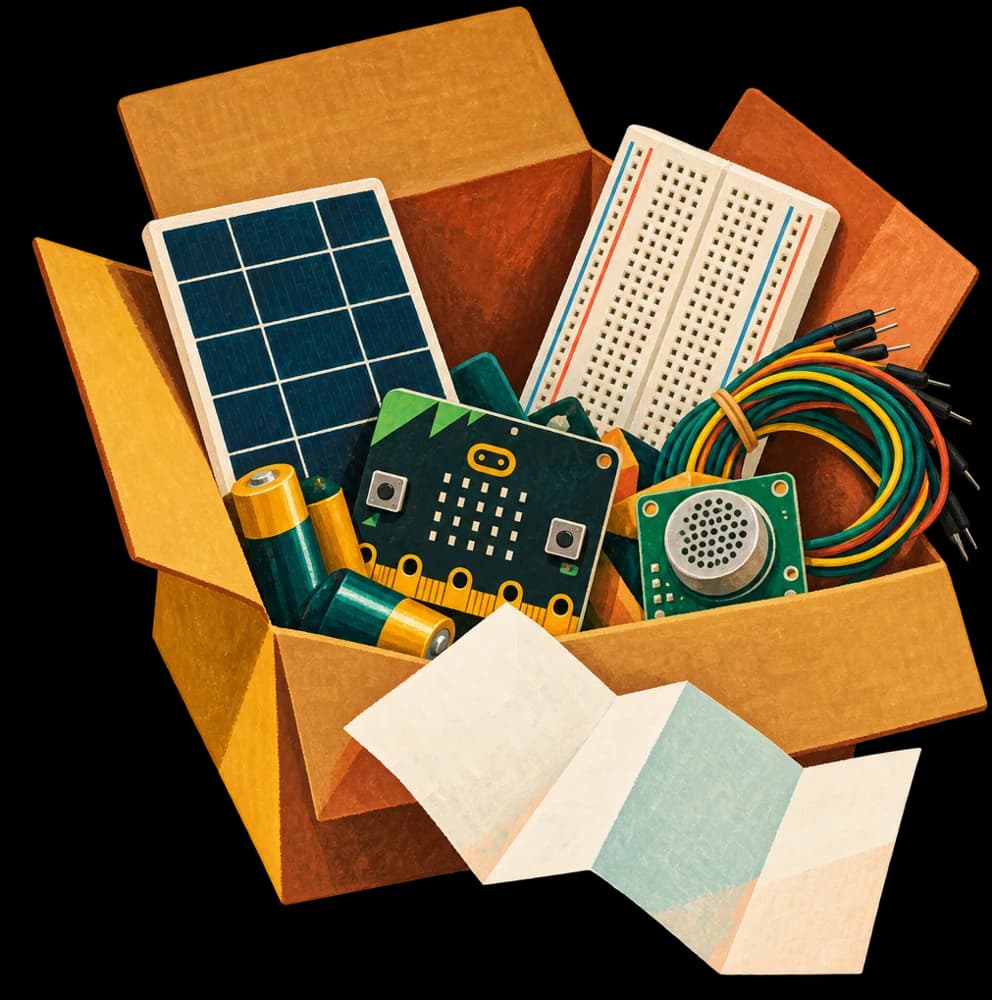
The particle sensor from the $40 kit, set up on a stall so traders can see how much smoke from the generators next door is in the air.
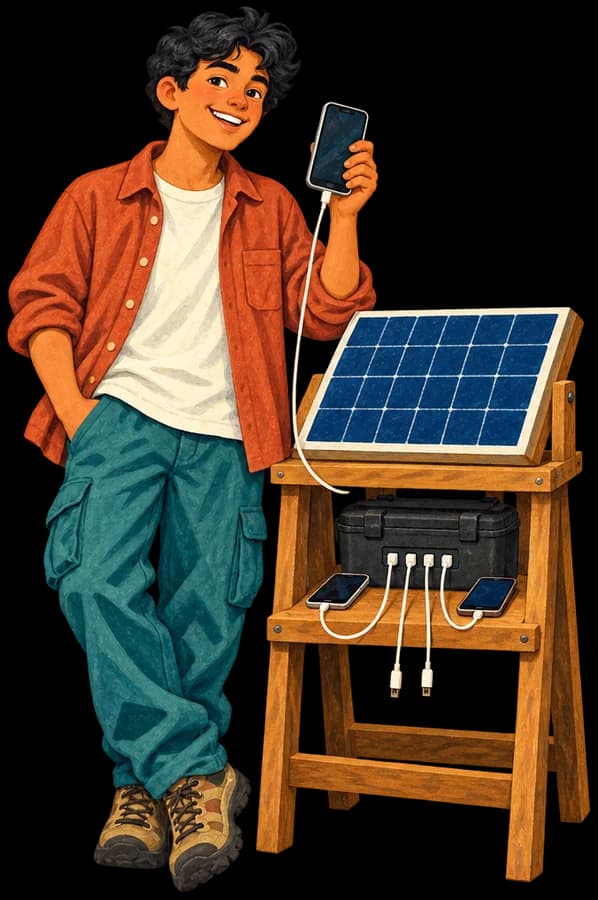
A solar charging stand
A panel, a battery and a few cables let a class charge phones during a blackout and log how much sun it got.
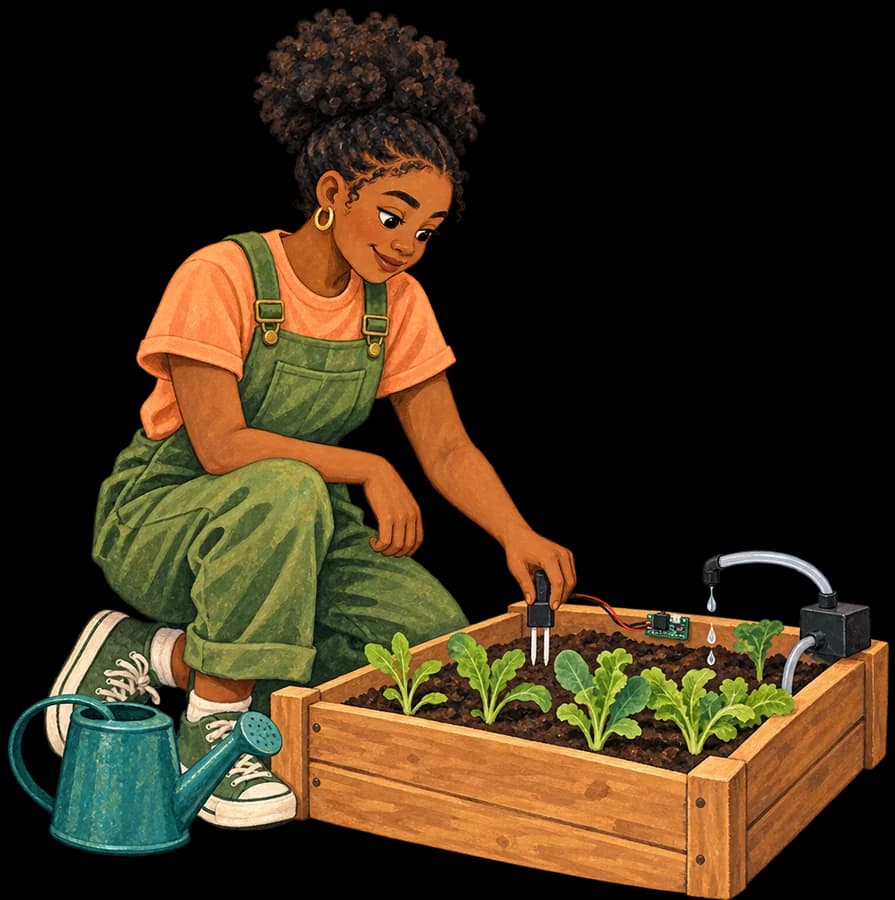
A garden that waters itself
A soil-moisture probe switches a tiny pump on only when the bed is dry, and counts the water it saved.
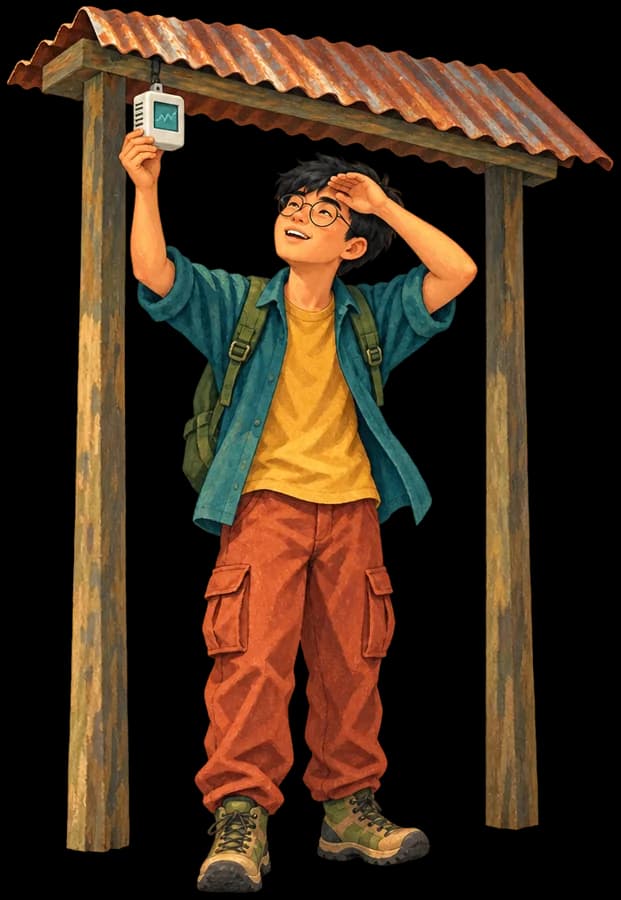
A heat log for a tin-roof classroom
A temperature logger records the afternoon heat, so the class has evidence when it asks for shade, fans or a schedule change.
The people who fund the work.
Thank you to our sponsors. Their grants pay for our classes and for the parts we mail to students, and they bet on a group of teenagers.
$15K
raised for programs as of November 2026
Silicon Valley Power
$5,000 founding grant
Marin Clean Energy
$3,000 for Marin County presentations
Ava Community Energy
$2,500 for builds in its service territory
AAUW Fremont
Per-presentation grants, plus a scientist network
To talk about a grant or a sponsorship, write to greensiliconvalley27@gmail.com.
Come build this with us.